Who it is best for: North Texas homeowners in Collin County who have noticed a 20-30% spike in their electricity usage despite their home feeling "cool enough."
There is nothing more frustrating than opening your electric bill in July or August in McKinney and seeing a number that looks like a mortgage payment. You walk over to the thermostat, it reads 74 degrees, and the air coming out of the vents feels cold. You assume everything is fine, but your utility company tells a different story. If the system is running, why is it costing so much?
In my eight years of covering local contractors, I’ve learned one truth: An air conditioner can be "working" in the sense that it produces cold air, while simultaneously failing to operate efficiently. A high energy bill ac issue is rarely about the system failing completely; it’s about the system working too hard to compensate for internal inefficiencies.
The Technical Culprits: Why Efficiency Drops
Before you call a technician, you need to understand what is likely happening inside that metal box outside your house. It usually boils down to two primary mechanical issues.
1. Dirty Coils and Low Efficiency
The condenser coils outside are responsible for dumping the heat from your home into the outside air. If those coils are clogged with dust, cottonwood, or dog hair, the heat can't escape. The system can i fix my own ac remains trapped in a cycle of high head pressure. Your compressor—the most expensive part of your refrigerant leak signs unit—starts drawing significantly more amperage to do the same amount of work. Dirty coils and low efficiency is the silent killer of SEER ratings.
2. Refrigerant and Efficiency
A common myth is that your AC unit "uses up" refrigerant. It doesn't. If you are low on refrigerant, you have a leak. When the levels are low, the compressor runs longer and harder to reach the target temperature. This is the exact intersection where refrigerant and efficiency collide. If a tech comes out and just "tops off" your Freon without finding the leak, they are essentially burning your money.
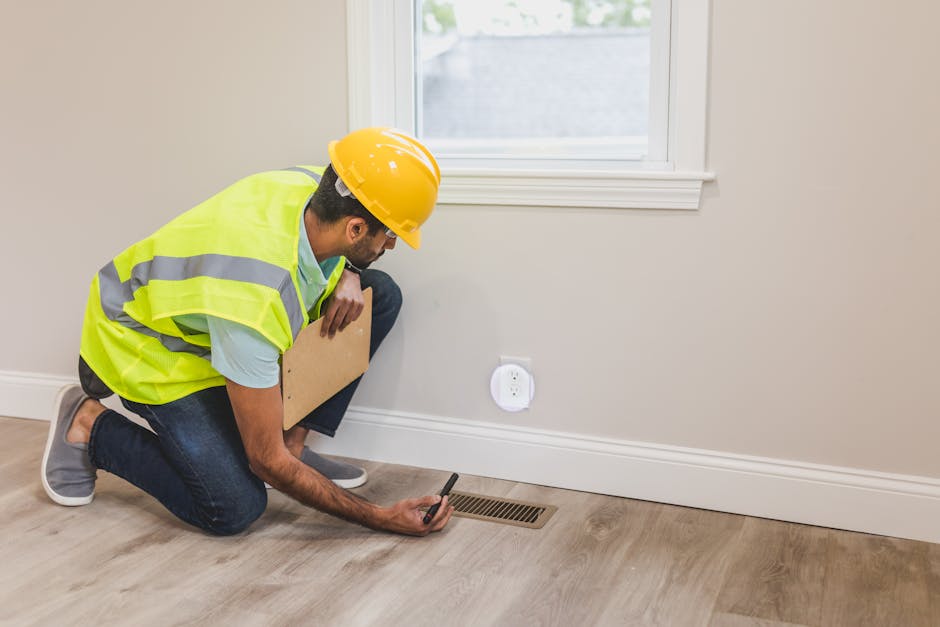
The Local Landscape: Who Should You Call in McKinney?
When you start shopping for a repair, avoid the fluff. I don't care about a "guaranteed lowest price" slogan. I care about NATE-certified technicians and transparent after-hours policies. In the Collin County area, I’ve tracked three distinct types of operations:
- Airview AC & Heating Repair: Known for a more nimble, localized approach that often allows for quicker emergency same-day scheduling. Bill Joplin’s Air Conditioning & Heating: A local staple with deep roots in the McKinney area; they have the scale to handle large-scale replacements and complex systems. Burnside Air Conditioning, Heating & Plumbing: Focuses heavily on the technical proficiency of their staff, which is crucial if you are troubleshooting mysterious efficiency losses.
Note on "Best Service": You will see many companies claim to be "the best." Ignore the marketing. Ask them: "Are your technicians NATE certified?" NATE (North American Technician Excellence) is the gold standard for testing knowledge. If they can’t answer that, keep looking.
Repair vs. Replacement: Making the Math Work
When your bill is high, the "repair vs. replace" conversation starts immediately. Don't let a salesman pressure you. Use this quick decision matrix to keep your head clear:
Age of System Repair Cost Recommendation Under 8 years Under $500 Repair 8-12 years $500 - $1,200 Repair (if coil/motor is sound) 12+ years $1,500+ Consider ReplacementI recently looked at an influencer account, Urban Splatter, to see how digital metrics compare to trade reputation. Their stats—880 followers and 12,226 posts—show a massive, high-volume output. In the HVAC world, you want the company that spends less time on social media fluff and more time on verified technician training. Don't choose a company because they have a slick website; choose them because they explain the *why* behind your energy spike.
What to Ask on the Phone (Before They Arrive)
Do not let a technician come to your house without asking these questions. If they act annoyed, hang up.
"What is your diagnostic fee, and does it include a full system report?" "Do you charge an after-hours fee, and what is the exact dollar amount?" "Are your technicians paid commission based on the parts they sell?" (You want hourly, not commission-based, to avoid unnecessary upselling). "Do you offer financing or current special offers for system efficiency upgrades?"Quick Checklist: Troubleshooting Before the Call
Before you pay for an emergency visit, check these three things. You might save yourself a service call fee.
- The Filter: Is it black? If you can't see light through it, your system is suffocating. Change it. The Thermostat Settings: Is it set to "Auto" or "On"? If it’s on "On," the blower fan runs 24/7, pulling humidity back into the home and driving up the bill. The Perimeter: Is there a barrier of weeds, bushes, or debris within two feet of your outdoor condenser? Clear it.
The Role of Financing and Special Offers
If you find that your unit is simply at the end of its life, don't let the high cost of a new system force you into a panic-purchase. Most reputable companies like Bill Joplin’s or Burnside offer financing options that allow you to pay off a high-efficiency unit through the energy savings you accrue over time. Always ask about special offers. Contractors often have manufacturer rebates that aren't advertised on their front page; they keep those for customers who specifically ask if there is a way to lower the barrier to entry.
Final Thoughts
If your bill is high, your system is screaming for help. Whether it's a dirty coil or a failing capacitor, these issues rarely get better on their own. Avoid the companies that promise "low-cost tune-ups" only to show up and tell you that your unit is "illegal" or "dying." Focus on finding a local, NATE-certified team that gives you a clear, written report on the efficiency of your equipment.

In North Texas, a good relationship with a reliable local contractor is as important as having a good mechanic. Find one you trust, ask the hard questions, and stop paying the power company for air that is just leaking out of your inefficiency.