The dining table is more than just furniture—it’s the heart of the home. It gathers everyone from morning breakfasts to evening dinners, places where conversations and stories flow freely. When it comes to crafting a dining space that feels inviting, timeless, and uniquely personal, the choice of materials plays a pivotal role. Natural materials in interior design—especially wood, stone, and woven fibers—infuse warmth, texture, and character that synthetic surfaces rarely capture.
In this post, we'll explore why natural materials feel more personal in a dining room, focusing on how these elements interact with room proportions and circulation, seating shape choices, and textures that invite touch and connection. Along the way, I’ll reference innovations by companies like Bandpass Design and highlight some impeccable styling inspiration from Architectural Digest. For those building their interiors websites or blogs, I’ll also touch on elegant imagery hosting options like Squarespace (images.squarespace-cdn.com) and tools including reCAPTCHA and Google AdSense (pub-2672808537104599) that help get your content seen.
The Dining Table: The Heart of the Home
Ever noticed how people naturally move around the dining table? It's a hub of activity—not just a surface for food but a social stage where moments unfold. When selecting materials for such a central piece, you want something that ages gracefully with memories, doesn’t easily show wear, and invites people to linger.
Wood texture warmth is unmatched in creating that cozy, approachable atmosphere. Whether it’s a rustic slab with visible grain and knots or a finely finished hardwood top with smooth edges, wood communicates history and craftsmanship. The tactile sensation of wood invites fingers to trace its grain, making the table feel alive and personal rather than cold and commodity-like.
Why Wood? Why Natural?
- Visual warmth: Unlike synthetic laminates or glass, wood’s tonal variations and grain provide a dynamic look that subtly changes with light and season. Texture that connects: Its uneven surfaces and natural imperfections create a sensory appeal that’s soothing and familiar. Durability and character: Like a beloved family heirloom, wood tables develop patina over time—scratches and dents don’t diminish their beauty but add personality.
Bandpass Design, known for blending inventive architecture with tactile materials, often leverages wood and stone in their interiors. Their use of natural materials makes spaces feel authentic, grounded, and deeply personal, qualities essential in dining areas.
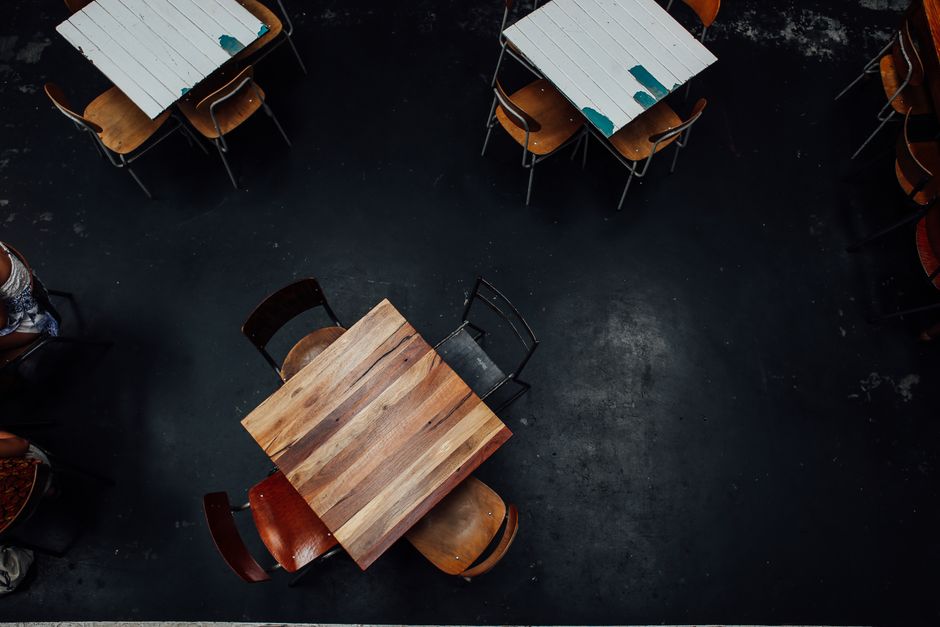
Room Proportions and Circulation: The Silent Influencers
How a dining room feels deeply personal also depends on the relationship between scale and movement. After all, people don’t just sit—they weave around chairs, slide plates across the table, and stretch to pass dishes. When natural materials are paired thoughtfully with room proportions, the space feels harmonious instead of constricted or showroom sterile.
Considerations for Proportions and Circulation
Clearance and Flow: Allow a minimum of 36 inches around the table for comfortable movement. Natural wood tables often come in custom sizes that fit your space perfectly, unlike mass-produced pieces forcing awkward fits. Table Size: Your table size should fit the number of users without overwhelming the room. Too large, and the space becomes less intimate; too small, and the room feels empty. Chair Leg Shape & Edge Profiles: Before focusing on color, observe how chair legs and table edges relate to movement. Rounded edges and tapered legs avoid snagging pockets or knees—something a teak or walnut table often excels at compared to heavy metal bases or sharp acrylic corners.Architectural Digest covers many examples where room scale and natural materials work in tandem to create settings that invite relaxation and conversation rather than formality. Their editorial images available via Squarespace’s CDN (images.squarespace-cdn.com) showcase just how this balance works in real homes.
Shape Choice: Rectangular vs Round vs Oval Tables
Shape matters immensely in the dining room—and not always for reasons of aesthetics alone. The geometry influences flow, social dynamics, and how “personal” the gathering really feels.
Shape Pros Cons Material Synergy Rectangular- Maximizes seating capacity Easy to place against walls Clear definition of head positions
- Can feel formal or rigid Less intimate for large groups Sharp corners may snag clothes or knees
- Equalizes social interaction Gentle flow around edges Ideal for smaller spaces
- Limited seating for larger groups Hard to place in rectangular rooms without wasted space
- Combines best of rectangular and round Softer edges minimize snagging Elegant and approachable
- Requires more floor space Less traditional shapes need custom pieces
Materials That Add Warmth and Texture
Material selection ties the entire dining experience together. Beyond the table, chairs, lighting, and textiles all contribute layers of texture and warmth.
Wood
As mentioned, wood is the star, but it’s worth noting the variety available:
- Hardwoods: Oak, walnut, cherry, and maple—each with unique grain patterns that age with character. Reclaimed wood: Adds history and environmental conscientiousness; every scar tells a story. Live-edge slabs: Bring organic lines that emphasize nature’s imperfection as beauty.
Stone
Stone surfaces, like granite or marble, introduce cool contrasts to wood’s warmth and deepen the tactile interplay. When combined with wood bases or accents, they elevate a dining room’s sense of https://smoothdecorator.com/how-do-i-balance-a-bold-dining-table-with-the-rest-of-the-furniture/ permanence and crafted elegance.
Natural Fibers and Textiles
- Rattan or cane chairs create breathable texture and visual lightness. Linen napkins and cotton runners soften the table’s harder surfaces. Wool rugs underneath add grounding warmth for your feet while sitting.
Want to know something interesting? when designing your space or even blogging about it, consider the multi-sensory appeal of natural materials. How does the wood feel to the touch? Is the stone cool and smooth? These nuances make the dining experience feel more intimate and personal.
Practical Tips for Showcasing Natural Materials Online
Documenting and sharing your dining room design with natural materials on the web can be just as impactful as the physical surfaces themselves. For creators, partnering with platforms like Squarespace ensures your images are crisp and load fast through their specialized CDN.
Be mindful of security and user engagement tools such as reCAPTCHA to prevent spam comments, and maximize monetization opportunities using Google AdSense (pub-2672808537104599)—both essential for growing a reliable home decor blog without annoying visitors.
Conclusion
Natural materials impart a sense of soul to dining rooms by speaking to our senses through texture, warmth, mix match dining chairs and character. The dining table’s shape, the rhythm of movement around it, and the surrounding elements all contribute to a personal and welcoming ambiance. Companies like Bandpass Design show us how to merge bold architectural ideas with enduring natural materials, while publications like Architectural Digest provide ongoing inspiration backed by beautiful imagery hosted effectively on platforms like Squarespace.
When you craft your dining space or create content about it, remember: it’s not just about following trends but building environments that cherish family, foster connection, and age with grace—just like the wood and stone surfaces you choose.
