If you're like me—a home-improvement enthusiast and mom juggling a household that’s finally escaping a broken whole-house AC—you know the charm of a DIY mini split system. Easy-ish install, solid energy savings, and the sweet relief of cold air filtered directly into your living space. But before you bite the bullet on a Zone Air 12K BTU single zone (230V) for $2,049.99 or browse models from MRCOOL or snag a pack at Home Depot, a glowing question often gets buried under the specs:
How Do I Keep My Mini Split Warranty from Getting Voided?
Have a peek hereTrust me, warranties on DIY mini splits can be as finicky as microwaving leftover pizza—inconsistent and frustrating if you don’t follow the directions. Let’s break it down clearly, because vague warranties and hand-wavy efficiency claims aren’t just annoying—they risk your long-term investment.
DIY Mini Split Value and Real Pricing
First, let’s get acquainted with what you’re really paying for when you opt for a mini split. Many brands, like MRCOOL and Zone Air, offer direct-to-consumer options that slash dealer network costs. That’s why you might see the Zone Air 12K BTU model listed at $2,049.99—pretty reasonable compared to traditional HVAC quotes that don’t break down pricing transparently.
The catch: with direct-to-consumer kits, you’re expected to size your circuit correctly, follow published specs to the letter, and install the system professionally. Skimping on these often voids the warranty faster than you can say “coiled extra copper behind a condenser,” which, by the way, I absolutely hate. It’s a classic rookie move that messes with refrigerant flow and causes headaches later on.
Why the Dealer Network Cost Difference?
Dealers usually include installation, call-backs, and ongoing support. This bumps the price but offers peace of mind and warranty coverage that’s often contingent on having the unit installed by a licensed professional. Home Depot, for instance, sells MRCOOL and Zone Air systems, sometimes bundled with installation services—making them an option for homeowners wary of the DIY route.
Size Your Circuit Correctly & Follow Published Specs
One cardinal sin that voids warranties: ignoring the electrical specs. Mini split manufacturers like MRCOOL and Zone Air publish exact electrical requirements for their units. These specs include proper circuit breaker size, wire gauge, and breaker type.
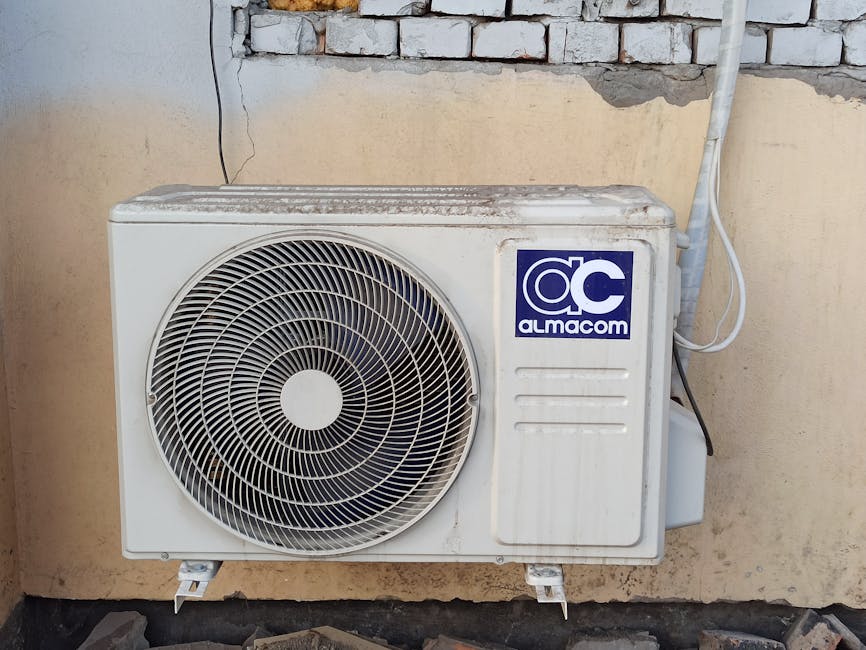
- Do not exceed max line length: Every system specifies the max copper tubing run between the indoor and outdoor unit. Let’s skip over-coiled extra copper, a pet peeve of mine, since it causes refrigerant imbalances. Size circuit correctly: Using too small a breaker risks system trips and damage. Oversized breakers might negate safety mechanisms. Follow published specs: Slight deviations like using smaller wire gauges than specified or neglecting proper grounding can void warranties quickly.
Quick Connect Fittings and Pre-Charged Line Sets
Now, here’s a delightful innovation for the DIY installer: quick connect fittings and pre-charged line sets. Both MRCOOL and Zone Air offer these to simplify installation and, importantly, reduce the risk of warranty-voiding mistakes.
- Quick connect fittings: These fittings eliminate the need for hard-to-learn brazing or refrigerant handling skills. They snap into place with an air-tight seal, which—if installed correctly—keeps your warranty intact. Pre-charged line sets: These house the refrigerant inside already, preventing leaks you might cause if left to handle refrigerants yourself, something pros discourage DIYers from trying.
But a word of caution: even with these user-friendly features, misusing or damaging these components during install often cancels warranty coverage. So, handle with care and follow manufacturer instructions strictly.
SEER2 and HSPF2 Efficiency Explained Simply
If you’ve been reading mini split specs and wondering why they mention SEER2 and HSPF2 instead of the old ratings, let me clear it up. These are the updated U.S. efficiency standards that take effect around 2023, replacing SEER and HSPF:
Term Meaning Why It Matters for Your Warranty and Savings SEER2 Seasonal Energy Efficiency Ratio (Updated) Shows cooling efficiency under more realistic test conditions than SEER. Helps you pick models that save power and avoid overheating. HSPF2 Heating Seasonal Performance Factor (Updated) Measures heating efficiency in line with modern test protocols, critical for cold climates with heating down to -13°F.When checking units like Zone Air or MRCOOL, I recommend confirming these values are listed and verifying the claims aren’t exaggerated. Some sellers or big-box retailers like Home Depot might lean on marketing fluff instead of real, tested data. If the specs aren’t clear or official, that’s a red flag because it can affect not just your energy bills but also system longevity and warranty validity.
Cold Climate Heating Down to -13°F: What to Know
For those in colder regions (hello, me dreaming of a real house with proper heating), mini splits rated to keep running at -13°F are a godsend. MRCOOL and Zone Air offer models boasting this rating, a feature critical to preventing issues like oil slugging or refrigerant starvation that wrecks compressors.

Don’t just take their word for it: verify the unit’s cold climate certifications and warranty coverage at these low temps. Installing a model not rated for your climate voids warranty and trips you into costly repairs.
Summary: Keeping Your Mini Split Warranty Safe
Buy Clear, Transparent Equipment – Choose reputable brands like MRCOOL or Zone Air through reliable channels such as Home Depot, paying attention to exact pricing and specs. Follow All Published Specs – Size your circuit correctly, never exceed max line length, and avoid amateur installation shortcuts. Use Quick Connect & Pre-Charged Line Sets Properly – They simplify the install but require proper handling to maintain warranty coverage. Check SEER2 & HSPF2 Ratings – Don’t settle for vague efficiency claims. Look for tested, standardized values for your region. Pick a Unit Rated for Your Climate – If you’re in a cold region, get a model heating down to at least -13°F to avoid warranty pitfalls. If Electrical Work Isn't Your Jam, Get a Pro – I can’t stress this enough. Don’t DIY your wiring if you’re not confident—it’s a warranty killer and a safety hazard.Remember, while the DIY mini split revolution offers fantastic value and flexibility, the guarantees that protect your investment don’t Learn here tolerate corner-cutting. I speak from years of living with a broken whole-house AC and a failed portable AC. Do your homework: read the manual, size your circuit, protect your warranty, and enjoy cool, cozy home comfort for years to come.