I’ve sat through enough late-stage punch-list meetings to know the precise moment a project starts to bleed money. It usually happens when a design team realizes they prioritized "an aesthetic statement" over the path of the sun. You can pick the most expensive low-VOC paint on the market, but if your daylight strategy turns your office into a greenhouse by 10:00 AM, nobody is going to care about your color palette.
Before we talk about interior finishes, let’s talk about the sky. When clients ask me to "make it modern," I don't think about chrome or minimalist furniture; I think about the light. If we aren't planning for glare control from the jump, we are essentially setting the client up for a future of ugly, retractable blinds that stay closed 365 days a year. That’s not design; that’s a failure of structural planning.
The Structural Reality: Daylight Isn't Just "Nice," It’s Functional
Companies like Google and Apple didn't become industry titans by accident—they invested heavily in high-performance building envelopes that treat daylight as a utility rather than an afterthought. When you are looking at your floor plate, the first thing you need to identify is the core and the shell. Where does the sun hit? https://smoothdecorator.com/the-anatomy-of-an-office-how-structural-planning-defines-success/ Where is the heat gain concentrated?
If you look at the recent winners of the Rethinking The Future Awards 2026, you’ll notice a common thread: building orientation. They don't just "let the light in." They curate it. You need to map out your solar path before you move a single wall. If you ignore window placement until the finish schedule phase, you’ve already lost.
The "Small Fixes" That Save You Money
I keep a running list of structural tweaks that cost peanuts during the design phase but save thousands in energy and cooling costs later:
- Light Shelves: These bounce light deep into the floor plate, allowing you to use less artificial lighting during the day. Fixed External Shading: Don't rely on motorized interior shades to save you from a west-facing facade. Use external louvers or fins to catch the heat before it hits the glass. Translucent Partitions: Stop boxing in your core. Use high-performance glass or frosted acrylic to move light through your interior meeting rooms.
Functional Zoning: Balancing Privacy and Flow
One of the biggest mistakes I see in office fit-outs is ignoring the relationship between natural light and acoustics. People want to sit near the window, but if you put a noisy "collaboration zone" in the brightest part of the office, you’re creating a productivity vacuum.
I’ve seen Microsoft-style floor plans that manage this beautifully by separating zones based on light intensity. You put your high-focus individual tasks in the temperate zones and use the sun-drenched "gallery" spaces for social connection. It’s about space optimization. If you put a desk directly against a south-facing window, you are creating a glare disaster. Instead, use that space for circulation paths or casual seating where people are moving, not staring at a laptop screen.
Managing Glare: The "Invisible" Design Element
Glare control isn't just about picking the right blind. It’s about diffused light. If you have clear glass facing the sun, you have a problem. You need to be looking at electrochromic glass or patterned fritted glass that breaks up the harsh rays. According to insights shared on Eduwik, the most successful commercial spaces are those that manage light through layers—direct light, reflected light, and ambient light.
Let’s look at how you should be zoning your floor plate based on lighting requirements:
Zone Light Level Ideal Usage Material Strategy Perimeter (Window adjacent) High/Direct Casual meeting, circulation Light-diffusing shades, matte surfaces Transition Zone Medium/Filtered Shared workstations Adjustable louvers, anti-glare screen filters Core Low/Artificial Deep focus, private pods Acoustic panels, warm LED profilesWhy "Trendy" Materials Fail in Sunlight
I cannot stress this enough: stop using high-gloss surfaces in brightly lit https://sophiasparklemaids.com/beyond-the-modern-buzzword-mastering-meeting-room-design/ areas. I’ve walked through too many projects where a "designer-approved" glossy epoxy floor became a giant mirror, reflecting sunlight directly into employees' eyes. It looks great in a rendering, but in practice, it’s unusable. Stick to matte finishes, textured woods, and high-performance textiles that don't fade under UV exposure.
The Trap of "Productivity Gains"
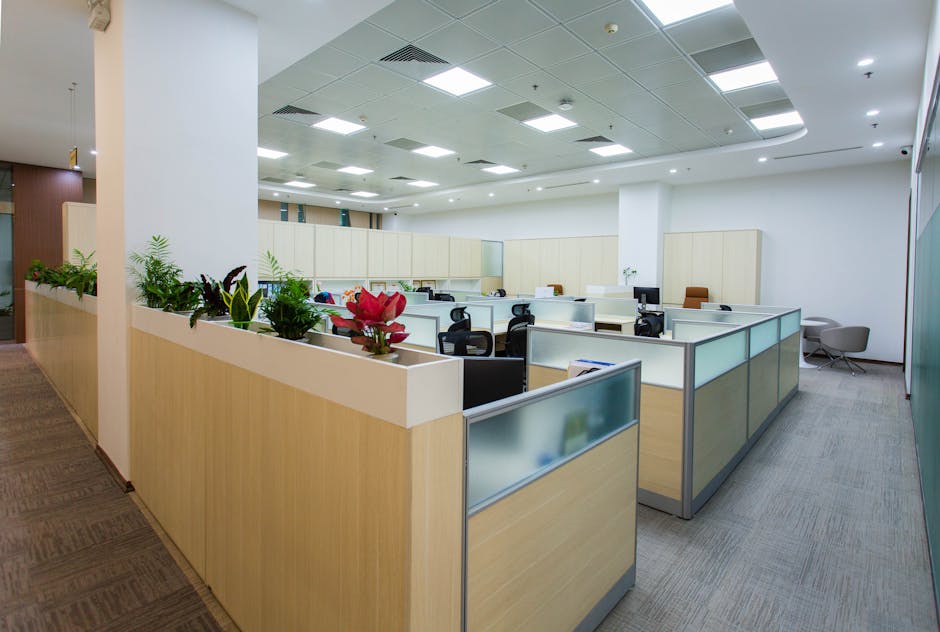
Every interior design firm will try to sell you on "productivity gains" by showing you a rendering of an open-plan office with a lot of plants and light. But if that layout doesn't account for the fact that the afternoon sun hits the screen of every person on the south wall, those employees are going to be less productive, not more. They’ll be squinting, they’ll be hot, and they’ll be complaining.

Before you commit to a layout, ask yourself these three questions:
Does this desk position require the user to have their back to the window? (If yes, they will be looking at screen glare all day.) How will the artificial lighting interact with the natural light during a cloudy day versus a bright day? (Automated sensors are a must.) Are we creating a "hot spot" that will force the HVAC system to work overtime, blowing air on people just to keep them cool?Reframing the "Make it Modern" Conversation
When someone tells me they want to "make it modern," I ask them: "Does that mean clean lines, or does that mean a space that respects human biology?" True modernism is about comfort. It’s about a space that feels good at 9:00 AM and remains comfortable at 4:00 PM.
Modern commercial design is shifting away from the "all glass" aesthetic of the early 2000s. We are seeing more intentionality. Architects are looking at building orientation as the primary design driver. If your site has a problematic sun angle, don't try to "fix" it with interior decoration. Fix it with architecture. Add a porch, add a brise-soleil, or pull the floor plate back.
If your design team isn't talking about the thermal performance of your window systems at the same time they are talking about your furniture selections, your project is already behind. Start with the light. Everything else—the paint, the furniture, the "vibe"—is secondary. Get the light right, and the space will design itself.
If you are currently in the planning stages of an office fit-out, go sit in your empty space at 2:00 PM on a Tuesday. Look at where the shadows fall. Look at the glare. If you can’t answer where the daylight comes from, don’t buy a single piece of furniture until you can.