When diving into a home renovation in London, especially one that involves something as substantial as a kitchen extension or a loft conversion, choosing the right builder is crucial. With so many options—from design-build firms like Beams Renovation to specialist installers such as LCCL Construction or NU Projects—how do you make the right call? And if a company is a certified B Corp renovation specialist like Beams, does that actually matter?
In this post, we'll explore the significance of ethical building credentials, such as B Corp certification, alongside practical aspects like design-build versus specialist installers, the role of 3D design and pre-build visualisation, fixed-price contracts with scope control, and milestone payments backed by formal sign-offs. Plus, we'll delve into trust signals contractors should provide, including reviews from platforms like Trustpilot and Google.
What is a Certified B Corp Renovation Company?
A certified B Corp renovation company voluntarily meets rigorous standards of social and environmental performance, accountability, and transparency. Unlike standard building firms focused solely on profit and timelines, B Corp builders also prioritize community impact, sustainable practices, and fair treatment of their workers. Beams Renovation, proudly holding B Corp certification, stands out in the London building scene for this reason.
B Corp certification isn’t just a badge—it's a promise that the company goes beyond regulatory requirements to act ethically and sustainably.
Is Being a B Corp Enough to Choose Your Builder?
While ethical business practices and environmental stewardship are vital values, they’re not the only deciding factors in selecting a builder. Equally important are the project delivery methods, transparency in pricing, and trustworthiness.
For example, LCCL Construction and NU Projects, though not B Corp certified, have strong reputations in London for specialist installations and managing complex refurbishments with excellent client communication.
So, think of B Corp status as an encouraging trust signal rather than a standalone guarantee that the renovation will run smoothly.
Design-Build Versus Specialist Installers: What’s Best for Your Project?
One of the biggest decisions to make early on is whether to engage a design-build firm like Beams Renovation or to hire specialist installers such as LCCL Construction or NU Projects independently.
Design-Build Model (Beams Renovation)
- Single Point of Responsibility: Beams handles everything—from architectural design and 3D visualisations to construction and finishing. Integrated Design and Build: The close collaboration between designers and builders cuts down on miscommunication and costly revisions. Streamlined Process: You typically have fewer contracts to manage, reducing administrative headaches.
Specialist Installers Model (LCCL Construction, NU Projects)
- Focused Expertise: Companies like NU Projects often excel at bespoke kitchens, bespoke cabinetry, or heritage renovations. Flexibility: You can pick and choose experts for different tasks, potentially customising the team to your preferences. Requires Strong Project Management: You'll either need a project manager or take on that role yourself to coordinate different trades effectively.
In practice, a design-build approach is excellent for homeowners wanting a smooth end-to-end experience with a firm that has a visible ethical commitment, like Beams Renovation’s certified B Corp status. On the other hand, if you have highly specialised requirements, relying on expert installers like LCCL or NU Projects might be better.
3D Design and Pre-Build Visualisation: Seeing Is Believing
One of today's most significant advantages in renovating is the ability to see your project before the first brick goes down. Beams Renovation, NU Projects, and LCCL Construction all leverage some form of 3D design and pre-build visualisation, but the level of sophistication can vary.
Why is this important? Because visualising the finished space helps you—and your builder—avoid costly last-minute changes or misunderstandings about finishes, layouts, and materials.
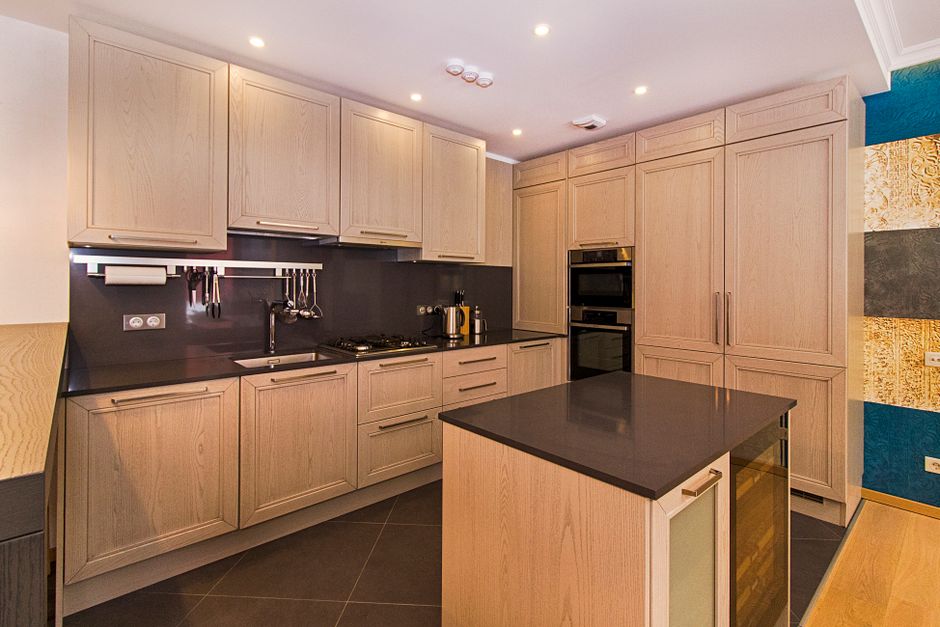
- Beams Renovation: Emphasises full 3D walkthroughs that incorporate finishes, lighting, and appliances early in the design stage. NU Projects: Offers detailed CAD plans and renders primarily focused on bespoke cabinetry and kitchens. LCCL Construction: Uses 3D visualisations particularly for structural elements and complex builds.
When you see your design digitally, you become better equipped to spot vague references such as “allowance for finishes” or “TBC” that I always flag in my checklist. These can hide unexpected costs or scope creep if not clarified upfront.
Fixed-Price Contracts and Scope Control: Guarding Your Budget
Nothing riles me more than hand-wavy pricing ranges presented as facts. Builders who quote "around £30,000 to £40,000, subject to allowances” without firm details are setting you up for disappointment.
Fixed-price contracts put a fence around the budget, but only if paired with strong scope control and clear specification documents. Beams Renovation is known for solid fixed-price contracts aligned with the detailed scope confirmed pre-start.
Compare this with some specialist installers who might be happy to take an initial deposit but leave certain items as “TBC” or “allowance.” Be wary! These vague terms often mask costs to be added later, triggering continuous payment requests that aren’t based on actual work done.
Checklist for Scope Control
Confirm all finishes, materials, and brands before signing contracts. Match drawings vs specifications vs finishes meticulously. Ensure small changes are documented and priced in writing immediately. Avoid vague wording such as “allowance” or “TBC” without firm clarifications.Both design-build firms and specialist installers should clarify how they handle scope changes. It pays to ask upfront: What triggers payment releases? Is there a formal sign-off process per milestone?
Milestone Payments and Sign-Off Releases: Managing Cash Flow and Client Confidence
With any renovation, timing your payments with completed work makes a huge difference to cash flow and peace of mind.
Beams Renovation follows a milestone payment system which aligns payment transfers with clearly defined and signed-off stages—e.g., completion of groundwork, roofing, fit-out, and final snagging.
Similarly, LCCL Construction and NU Projects offer milestone payments; however, the transparency and documentation of each release can vary.
Why I Always Ask: “What Triggers the Payment Release?”
It’s not uncommon to see builders requesting payments based on vague progress descriptions, or worse, basing releases on calendar dates rather than actual completed work. A clear sign-off process ensures you pay only for work satisfactorily done, reducing disputes.
Milestone Typical Trigger Notes Deposit Contract Signing Usually 10-20% to secure project start Foundation Completion Structural sign-off Includes concrete or groundwork approval Roof/Frame Complete Inspection report Ensures shell is weather-tight Fit-Out Complete Client sign-off on finishes Includes interiors, plumbing, electrics Final Payment Snagging list resolved Retention released after all punchpoints fixedAlways request documented sign-offs at each payment milestone. This safeguards your investment and holds the builder accountable.
Trust Signals: Why Reviews Matter and Where to Find Them
In today’s digital age, you want to check your builder's reputation on reliable platforms before committing. Trustpilot and Google reviews offer comprehensive perspectives from past clients. But beware of cherry-picked testimonials on company websites that lack context.
Beams Renovation proudly displays their Trustpilot rating alongside detailed client reviews, showcasing their certified B Corp ethical commitment and project delivery standards. Meanwhile, LCCL Construction has strong local Google reviews praising their specialist craftsmanship and professionalism. NU Projects also scores high on Trustpilot, especially for kitchen fit-outs and innovative designs.
Don’t just glance at star ratings—read the comments carefully to identify how issues such as scope creep, communication, or payment disputes were handled. This gives you real insight into how they work under pressure.
Summary: Should B Corp Status Influence Your Builder Choice?
In short, yes—but it’s only one piece of the puzzle.
- Ethical building company London: Certified B Corp firms like Beams Renovation provide additional peace of mind that environmental and social principles are upheld. Practical project delivery: Choose between design-build or specialist installers based on your project’s complexity and how hands-on you want to be. Visualisation: Demand clear 3D designs or CAD plans early to avoid surprises. Contract clarity: Fixed-price contracts with strict scope controls protect your budget. Payment milestones: Use clear sign-off triggers to manage payments and minimise disputes. Check independent reviews: Trustpilot and Google reviews signal reliability more robustly than marketing testimonials.
Ultimately, the right builder for your refurbishment in London balances ethical values with clear communication, fair pricing, and professional project management. Beams Renovation’s certified B Corp status is certainly a positive signal—paired with their integrated design-build approach, milestone transparency, and strong client feedback, they make a compelling contender.
However, it pays to evaluate every builder on these core trust signals before signing contracts or wiring deposits.
Ready to Choose Your Builder?
If you’re considering a certified B Corp renovation company in London, I recommend starting with Beams Renovation for their holistic approach and ethical standards. For specialised kentplasterers.co trades or bespoke kitchen fit-outs, also consider the excellent reputations of LCCL Construction and NU Projects. Wherever you choose, keep a checklist for drawings vs specifications vs finishes, ask “what triggers the payment release?”, and scrutinise fixed-price vs allowance terms.
Happy renovating – with confidence.