After a long day, everyone deserves to unwind in a peaceful space. But noisy appliances and background noise can disrupt that much-needed calm, especially during the evening hours when your home should feel like a sanctuary. If you've found yourself struggling to relax because of buzzing dishwashers, humming refrigerators, or constant appliance sounds, you're not alone. The good news? With thoughtful changes in lighting, furniture placement, paint choices, and small relaxation zones, you can transform your home into a tranquil retreat.
Start with a Quick Walk-Through: Identifying Where Noise and Tension Build Up
Before making any changes, take a moment in the evening hours to walk through your home. Where do you feel tension? Which appliances are the loudest and when? Is the noise coming primarily from the kitchen, laundry area, or living spaces? Are there spots where you instinctively avoid because of the noise or clutter?
Pay attention to your lighting too—how does it feel? Is it harsh and glaring, or soft and layered? Are there areas where natural light fades too early, leaving you in one flat tone? Where are you bumping into furniture, causing disruption in how you move through your space?
Jot down your observations. This will guide your approach to layering lighting, optimizing traffic flow, and creating cozy zones tailored to your https://lilyluxemaids.com/i-keep-rearranging-furniture-and-it-still-feels-off-what-am-i-missing/ lifestyle.
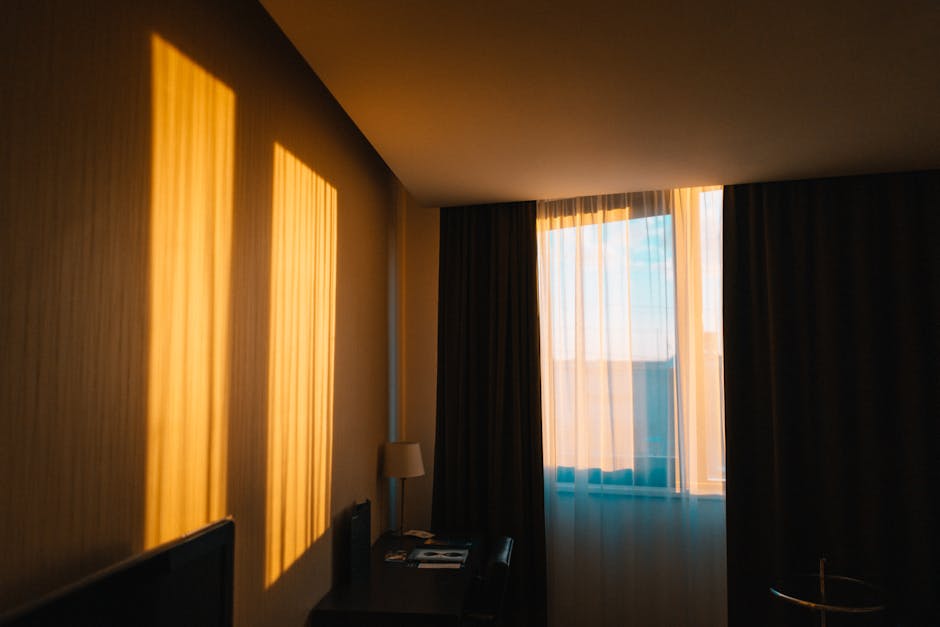
Lighting: Layered Light and Embracing Natural Sunlight
Good lighting balances function and ambiance to help you relax even when appliances hum quietly in the background. Most homes rely primarily on a single overhead fixture, like a ceiling light, which can be too intense or too stark for winding down.

Use Layered Lighting
- Ceiling Light: Use this for general illumination during tasks but consider fitting it with a dimmer switch to easily reduce brightness in the evening. Table Lamps: Place table lamps strategically in living and reading areas. These provide soft, localized pools of light perfect for creating a calmer atmosphere. Floor Lamps and Wall Sconces: Add more layers if space allows, especially in corners or above cozy chairs.
Maximize Natural Light
Sunlight influences mood more than we often realize. Where possible, keep windows uncovered during the day to let in natural light. Sheer curtains can soften harsh rays in warmer months. In the early evening, strategically placed lamps can mimic the warmth of natural light, helping signal your body best weatherstripping for doors it’s time to unwind.
Better Traffic Flow Through Furniture Placement
Have you ever bumped into furniture or had to navigate tight spots around your home? Cluttered or awkwardly arranged rooms add to stress and distract from relaxation, especially in noisy spaces.
Map Out Your Movement Patterns
Identify the most frequently used paths through each room, especially near noisy appliances like the kitchen or laundry. Move bulky furniture away from these primary routes to open up clear passageways. Use rugs, lighting, and furniture placement to subtly guide movement and separate noisy zones from relaxation areas.Tip: Don’t Buy More Furniture
Many people assume any space issue means they must buy new pieces—but often, just shifting what you already own improves traffic flow dramatically and reduces mental clutter.
Mood-Based Paint and Consistent Color Palettes
Paint color plays a silent but powerful role in shaping your mood and perception of noise. Bright, overly vibrant walls can amplify stress, while consistent palettes with calming tones promote serenity.
Choose Soft, Muted Colors for Walls
- Consider shades of blues, greens, or warm neutrals like taupe or soft gray. These colors are known to reduce anxiety and help the mind settle. Use satin or eggshell finish paint to minimize glare and create a smooth, comforting backdrop. Maintain a consistent palette across connected rooms for flow and calm cohesion, especially between noisy and quiet zones.
Accent Walls and Color Psychology
If you love color, choose one wall for a soft accent in a darker or richer hue to create depth without overwhelming the space. Avoid harsh reds or yellows in spaces where you want to unwind, as these can increase alertness and tension.
Create Small Relaxation Zones
Everyone benefits from a dedicated spot designed for relaxation—be it for reading, meditation, or simply disconnecting from the hustle and noise. If loud appliances dominate your home, setting aside these cozy nooks can be a game-changer.
Where to Create These Zones?
- Unused corners or even a section near a window with a comfortable chair and side table. A small area in the bedroom, away from closets or laundry if possible. Spaces that naturally receive more natural light or view greenery outside.
Enhance Comfort with Soft Furnishings
Layer your relaxation zone with plush throw pillows, soft blankets, and cushioned seats to dampen background noise and add tactile coziness. Heavy curtains or rugs can also help absorb sounds from appliances and create a quieter environment.
Additional Tips to Combat Appliance Noise and Promote Relaxation
Challenge Solution Loud dishwasher or washing machine Schedule use earlier in the day or late morning; add door seals or vibration pads under appliances to reduce sound transmission. Running refrigerator hum Ensure fridge is level and healthy; consider soundproof padding for adjoining walls if feasible. General background noise stress Complement your home environment with calming rituals like CBD gummies. Companies like Joy Organics offer both THC-free and full-spectrum options designed to support relaxation and stress relief naturally.Consider Your Evening Lighting and Testing in Real Time
One of my quirks in advising homeowners is always to test lighting choices at night before committing to big purchases. Light behaves differently after dark, so pick up your table lamps and try different bulb wattages or shades to see what feels best against appliance noise in your space.
Layering your lights with dimmers allows you the flexibility to shift from focused task lighting to a soft glow that encourages calm, making your environment more adaptable to your mood and noise levels.
Summary: Making Your Home a Calmer Place Even When Appliances Are Noisy
Walk through your home in the evening to identify noisy spots and traffic flow problems. Layer lighting with dimmable ceiling lights and table lamps, maximizing natural light during the day. Rearrange furniture to create better flow without necessarily buying new pieces. Select soft, consistent paint colors that promote relaxation and reduce mental noise. Create dedicated small relaxation zones with plush furnishings to offset background noise. Address specific appliance noise with practical fixes and consider natural supplements like Joy Organics CBD gummies for evening calm.With these tips, you can reclaim your evenings, moving from a noisy, stressful environment into a calmer home where relaxing feels natural. Your ideal quiet evening isn’t far—just a few strategic changes away.